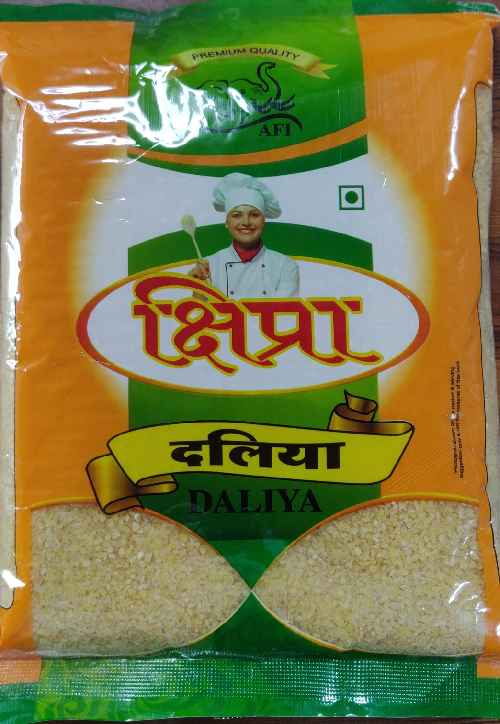

Broken wheat, commonly known as Dalia, is no longer just a traditional household staple—it has quietly transformed into one of the most talked-about healthy food choices in modern Indian kitchens. In a fast-paced city like Bengaluru, where people are constantly balancing work stress, fitness goals, and lifestyle changes, dalia has found a strong comeback.
What makes it interesting is how something so simple has become so relevant again. Unlike heavily processed breakfast options, broken wheat offers a natural, filling, and nutrient-rich alternative. It fits perfectly into the current shift toward clean eating, where people prefer food that is closer to its original form.
In today’s fast-paced lifestyle where consumers are increasingly shifting toward healthier and more natural food choices, Broken Wheat Dalia has re-emerged as a trusted everyday superfood, and Airawat Food Industries is at the forefront of delivering this nutritional staple with consistent quality and purity. Rich in fiber, easy to digest, and packed with essential nutrients, dalia perfectly aligns with modern dietary preferences that focus on weight management, heart health, and sustained energy, making it a preferred choice across households, fitness enthusiasts, and even institutional buyers. As more people move away from overly processed foods, the demand for traditional, wholesome grains is witnessing a significant surge, and Airawat Food Industries is effectively meeting this demand by offering hygienically processed and well-packaged Broken Wheat Dalia that retains its natural goodness while ensuring longer shelf life and superior taste, thereby strengthening its position in both domestic and bulk supply markets.
This growing awareness has naturally increased the importance of broken wheat dalia traders in Bengaluru, who ensure a steady and quality supply to meet this rising demand.
At its core, broken wheat is simply whole wheat grains that have been crushed into smaller granules. But this simple transformation is what makes it easier to cook, digest, and incorporate into daily meals.
Unlike refined flour (maida), which undergoes heavy processing, dalia retains most of the wheat’s natural nutrients. That is why it is often recommended by dieticians and health experts.
| Type of Grain | Processing Level | Fiber Content | Digestibility | Health Value |
|---|---|---|---|---|
| Whole Wheat | Low | High | Moderate | High |
| Broken Wheat (Dalia) | Medium | High | Easy | Very High |
| Refined Flour | High | Low | Easy | Low |
This simple breakdown shows why dalia stands out as a balanced everyday food choice.
Airawat Food Industries stands as one of the well-recognized names in the broken wheat dalia segment in Bengaluru. The company is known for supplying high-quality, hygienically processed dalia that is widely used by households, retailers, and institutional buyers. Their focus on consistency, fiber-rich grain quality, and bulk availability makes them a preferred choice among traders and food distributors. With a strong emphasis on clean processing and nutrient retention, they cater to the rising demand for healthy staples in urban markets.
Sujatha Traders is a local Bengaluru-based supplier known for handling bulk quantities of broken wheat dalia for retail and wholesale buyers. They serve nearby grocery stores, small businesses, and institutional kitchens. Their strength lies in quick availability, flexible order sizes, and reliable distribution within city limits. Many buyers prefer them for consistent local supply and straightforward procurement process.
TOKO CART operates as a modern grocery and food supply brand in Bengaluru, offering packaged broken wheat dalia along with other staples. Their dalia products are positioned for urban consumers who prefer branded, hygienic, and conveniently packed food items. They are especially active in the retail and semi-wholesale segment, making them suitable for both individual buyers and small food businesses.
Crestora Global is involved in multi-commodity trading, including grains like wheat and broken wheat dalia. They cater primarily to bulk buyers, distributors, and export-oriented clients. Their presence in the agricultural trading ecosystem allows them to handle large-scale supply requirements. They are known for dealing in multiple agri-products, making them a diversified supplier in the market.
Krishnasaroj Food And Beverages Pvt. Ltd. is a B2B-focused supplier offering broken wheat dalia in bulk quantities. They are recognized for their wholesale export-quality supply chain and consistent product availability. Their offerings are suitable for retailers, importers, and large institutional buyers looking for steady sourcing at scale. Their emphasis is on competitive pricing and structured bulk distribution.
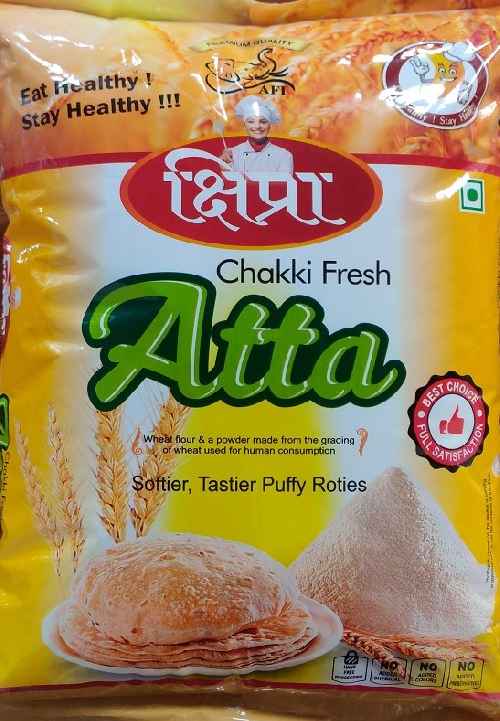
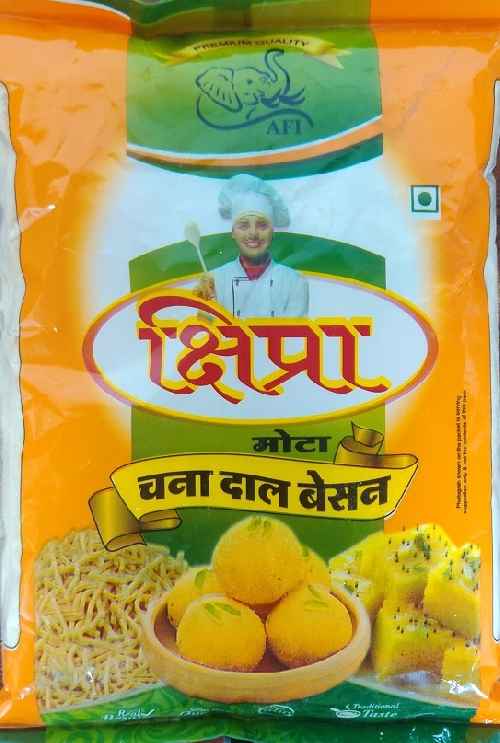
Located in Ujjain, Madhya Pradesh, India, Airawat Food Industries is a trusted name in the agro-food sector, known for delivering high-quality food products with consistent purity and freshness. The company operates as a manufacturer, exporter, and supplier, offering a diverse range that includes Atta, Broken Wheat Dalia, Gram Flour, Superfine Gram Flour, Maida, and Suji.
With a strong focus on quality standards and scientific processing methods, Airawat Food Industries ensures that every product is prepared with precision, maintaining nutritional value and superior taste. The company is supported by a modern production facility equipped with advanced machinery, which is regularly upgraded and monitored by skilled professionals to maintain efficiency and hygiene.
To ensure complete quality control, the infrastructure is systematically divided into specialized departments such as production, quality testing, and packaging units. This structured approach helps maintain consistency, safety, and high standards across all product lines.
Bengaluru is not just an IT hub anymore—it is also becoming a wellness-driven city. People here are actively experimenting with healthier diets, organic foods, and traditional grains.
The shift is quite visible in supermarkets, restaurants, and even office cafeterias. Dalia is now being included in breakfast menus, diet plans, and institutional meal programs.
What’s interesting is that dalia is no longer seen as “old-fashioned food.” Instead, it is now positioned as a smart modern diet option.
The journey of broken wheat from farms to Bengaluru plates is more structured than most people imagine. It involves multiple stages of processing and distribution.
| Stage | Role | Importance |
|---|---|---|
| Farmers | Grow wheat | Raw material source |
| Millers | Process wheat | Convert into broken wheat |
| Traders | Distribute stock | Connect supply and demand |
| Retailers | Sell to consumers | Final access point |
Without strong traders in Bengaluru, this entire chain would not function smoothly, especially given the city’s massive consumption needs.
Not all traders offer the same level of quality or consistency. In a competitive market like Bengaluru, reliability becomes a key deciding factor for buyers.
| Factor | What to Check |
|---|---|
| Quality | No dust, uniform grains |
| Packaging | Moisture-proof bags |
| Supply | Ability to handle bulk orders |
| Pricing | Stable and fair rates |
| Trust | Market reputation |
Businesses such as hotels, catering services, and grocery distributors heavily depend on these factors before finalizing suppliers.
Not all dalia is the same. Depending on cooking requirements and customer preferences, different grades are available in the market.
This variation helps cater to both individual consumers and large-scale buyers.
Broken wheat is no longer limited to home cooking. Its usage has expanded significantly across commercial and institutional sectors.
Its versatility is one of the main reasons it continues to grow in demand.
The wholesale market in Bengaluru plays a crucial role in stabilizing supply and pricing. Traders manage large volumes and ensure steady availability throughout the year.
| Buyer Type | Purchase Size | Frequency |
|---|---|---|
| Retail shops | Small bulk | Weekly |
| Hotels | Medium bulk | Daily/Weekly |
| Institutions | Large bulk | Monthly |
| Distributors | Very large bulk | Regular contracts |
Wholesale traders act as the backbone of this system.
Quality is not just about appearance—it directly affects taste, shelf life, and nutrition.
These small checks can prevent long-term quality issues.
The dalia market is evolving rapidly with changing consumer habits.
| Trend | Impact |
|---|---|
| Organic demand | High growth |
| Online B2B trade | Expanding fast |
| Health branding | Strong influence |
| Export potential | Emerging opportunity |
This shows that dalia is no longer a basic commodity—it is becoming part of a structured food economy.
Despite strong demand, traders face multiple operational challenges.
Managing these challenges requires strong logistics and supplier coordination.
Bengaluru’s position as a food distribution hub is growing rapidly due to its economic and demographic structure.
The city acts as both a consumption center and distribution point for nearby regions.
Buying dalia in bulk requires a strategic approach rather than just price comparison.
Answering these helps in long-term procurement decisions.
The future of broken wheat trade looks promising, especially in urban markets like Bengaluru.
With these changes, dalia is expected to move from a basic grain category to a structured health food segment.
Broken wheat may appear simple, but its market journey tells a much bigger story. From traditional kitchens to modern health-focused diets, its relevance has only increased over time.
In Bengaluru, the role of reliable traders becomes extremely important in maintaining this supply-demand balance. As awareness continues to grow, so will the opportunities in this segment—making broken wheat dalia not just a food item, but a steadily expanding business category.
What may appear to be a simple, traditional grain is now becoming a powerful contributor to the evolving health-focused food market, and Broken Wheat Dalia stands as a perfect example of how staple foods can drive long-term demand when backed by quality and reliability, something that Airawat Food Industries consistently delivers. With increasing awareness about clean eating, rising urban consumption, and the growing influence of nutrition-conscious lifestyles, dalia is no longer limited to basic home cooking but is expanding into packaged food segments, ready-to-cook products, and large-scale supply chains, opening new growth avenues for manufacturers and suppliers alike. Airawat Food Industries, with its commitment to quality processing, modern packaging, and customer satisfaction, is well-positioned to capitalize on this upward trend, ensuring that this humble grain continues to gain prominence as a sustainable, affordable, and highly nutritious food choice in the years ahea
► Broken wheat dalia is made by crushing whole wheat grains into coarse or fine particles without removing the bran. This ensures it retains most of the natural fiber, vitamins, and minerals found in whole wheat, making it a healthier alternative to refined grains.
► Yes, dalia is considered highly suitable for daily consumption. It is light on the stomach, rich in fiber, and provides slow-releasing energy, which helps maintain fullness for longer periods. Many people include it in breakfast or dinner for a balanced diet.
► Prices depend on wheat quality, processing method, packaging type, market demand, transportation costs, and seasonal availability of raw wheat. Organic and premium variants usually cost more than standard ones.
► Organic dalia is grown without synthetic fertilizers or pesticides, making it a preferred choice for health-conscious consumers. While both types offer similar nutritional benefits, organic versions are considered cleaner and more natural.
► Yes, dalia is often recommended in weight management diets because it is high in fiber, keeps you full for longer, and helps control overeating. It also supports better digestion and balanced energy release throughout the day.